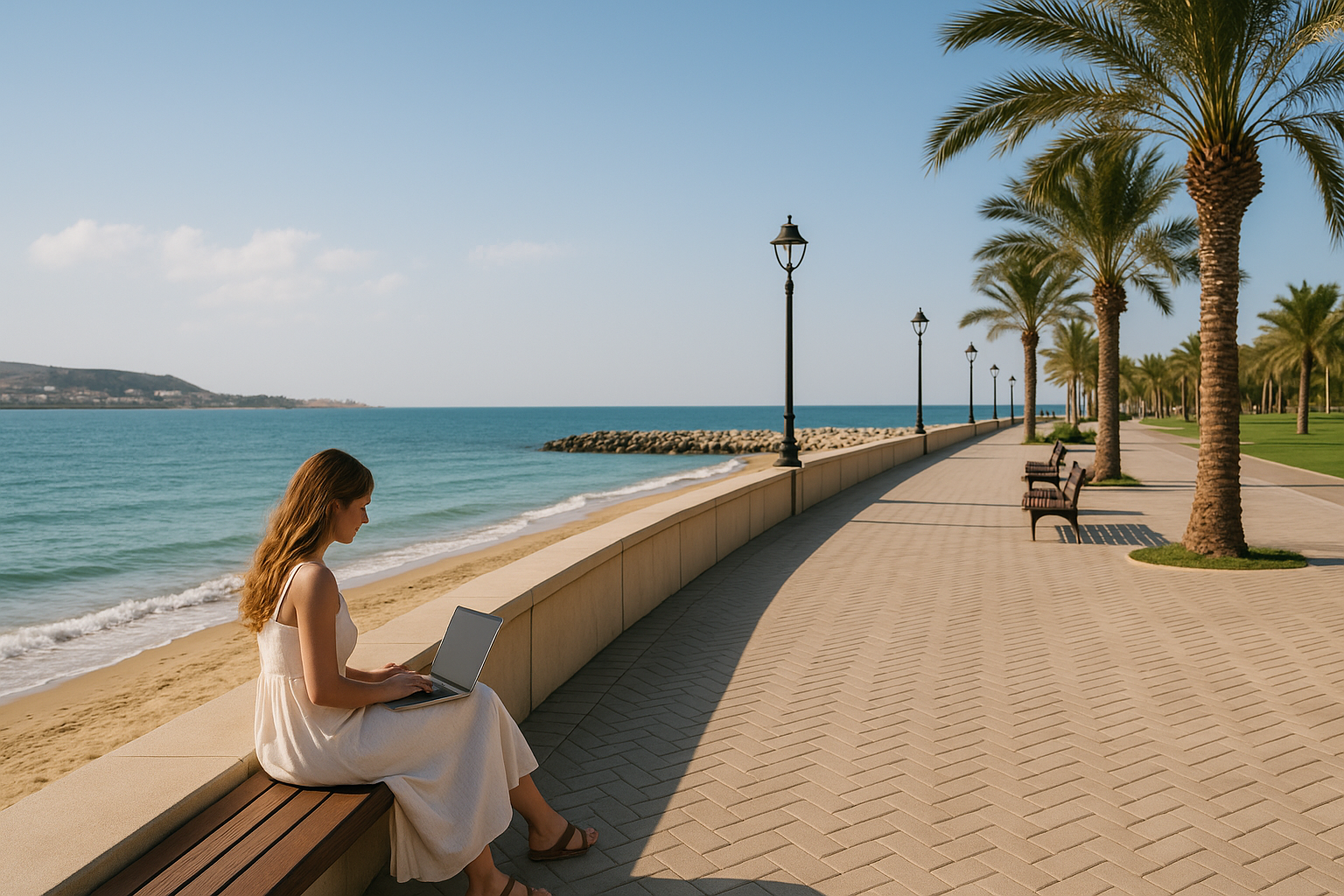
I didn’t go to Oman looking for opportunity. I went for a weekend. A quiet escape. Just to slow down, step away from the fast rhythm of Dubai. But somewhere between the drive along the Muttrah Corniche and a conversation with a local architect over strong coffee, I realized something was shifting here. Not fast, not loudly—but with intention. And as someone who spends most days inside the Gulf property world, I’ve learned to pay attention to that kind of quiet momentum.
Oman isn’t trying to be anything it’s not. That’s the first thing that struck me. The skyline doesn’t compete, the malls don’t overwhelm, and the coastline isn’t overbuilt. Instead, it offers something simple, and increasingly rare in the region: space to breathe. The capital, Muscat, moves at a pace that almost feels like a different decade—in the best way. And yet, behind the calm exterior, things are starting to happen. There are projects coming up—along the Qurum coastline, in Al Mouj, and in emerging districts like Madinat Al Irfan. Not mega-developments, but thoughtful ones. Scaled to fit the place, not the headlines.
I visited one under-construction site near the sea—not grand, not loud, but clean and smartly designed. You could see how it would live well, not just look good. The developer was local, the finishes practical, the floor plans honest. And that honesty is part of Oman’s charm. There’s less gloss, but more grounding. For buyers looking for something personal—maybe even poetic—it’s compelling.
What also surprised me was how welcoming the landscape feels. You don’t need to “adjust” to Oman the way some people feel they do in faster-paced cities. It meets you where you are. The roads are easy. The sea is close. The tone is soft. And for certain types of clients—especially those looking for a second home, a winter base, or a long-term lifestyle shift—it starts to make real sense.
Pricing here still reflects its under-the-radar status. You’re not paying for hype. You’re paying for land, light, and rhythm. The rental yields may not match Dubai’s, and the liquidity is lower—but that’s not why people come. They come because it feels real. Because ownership here doesn’t feel like chasing a trend—it feels like claiming a space you want to return to.
It’s too early to call Oman a hot market. That’s not the point. But if you listen carefully—to the tone of the new projects, the policies around foreign ownership, the local interest in balancing progress with preservation—you can sense something worth watching. Especially for those of us who’ve learned that not all opportunity announces itself with fireworks.
I left that weekend slower, clearer, and with a quiet certainty that this market, in its own time, will find its moment. And those who value calm over rush may already be ahead.
Oman isn’t trying to be anything it’s not. That’s the first thing that struck me. The skyline doesn’t compete, the malls don’t overwhelm, and the coastline isn’t overbuilt. Instead, it offers something simple, and increasingly rare in the region: space to breathe. The capital, Muscat, moves at a pace that almost feels like a different decade—in the best way. And yet, behind the calm exterior, things are starting to happen. There are projects coming up—along the Qurum coastline, in Al Mouj, and in emerging districts like Madinat Al Irfan. Not mega-developments, but thoughtful ones. Scaled to fit the place, not the headlines.
I visited one under-construction site near the sea—not grand, not loud, but clean and smartly designed. You could see how it would live well, not just look good. The developer was local, the finishes practical, the floor plans honest. And that honesty is part of Oman’s charm. There’s less gloss, but more grounding. For buyers looking for something personal—maybe even poetic—it’s compelling.
What also surprised me was how welcoming the landscape feels. You don’t need to “adjust” to Oman the way some people feel they do in faster-paced cities. It meets you where you are. The roads are easy. The sea is close. The tone is soft. And for certain types of clients—especially those looking for a second home, a winter base, or a long-term lifestyle shift—it starts to make real sense.
Pricing here still reflects its under-the-radar status. You’re not paying for hype. You’re paying for land, light, and rhythm. The rental yields may not match Dubai’s, and the liquidity is lower—but that’s not why people come. They come because it feels real. Because ownership here doesn’t feel like chasing a trend—it feels like claiming a space you want to return to.
It’s too early to call Oman a hot market. That’s not the point. But if you listen carefully—to the tone of the new projects, the policies around foreign ownership, the local interest in balancing progress with preservation—you can sense something worth watching. Especially for those of us who’ve learned that not all opportunity announces itself with fireworks.
I left that weekend slower, clearer, and with a quiet certainty that this market, in its own time, will find its moment. And those who value calm over rush may already be ahead.