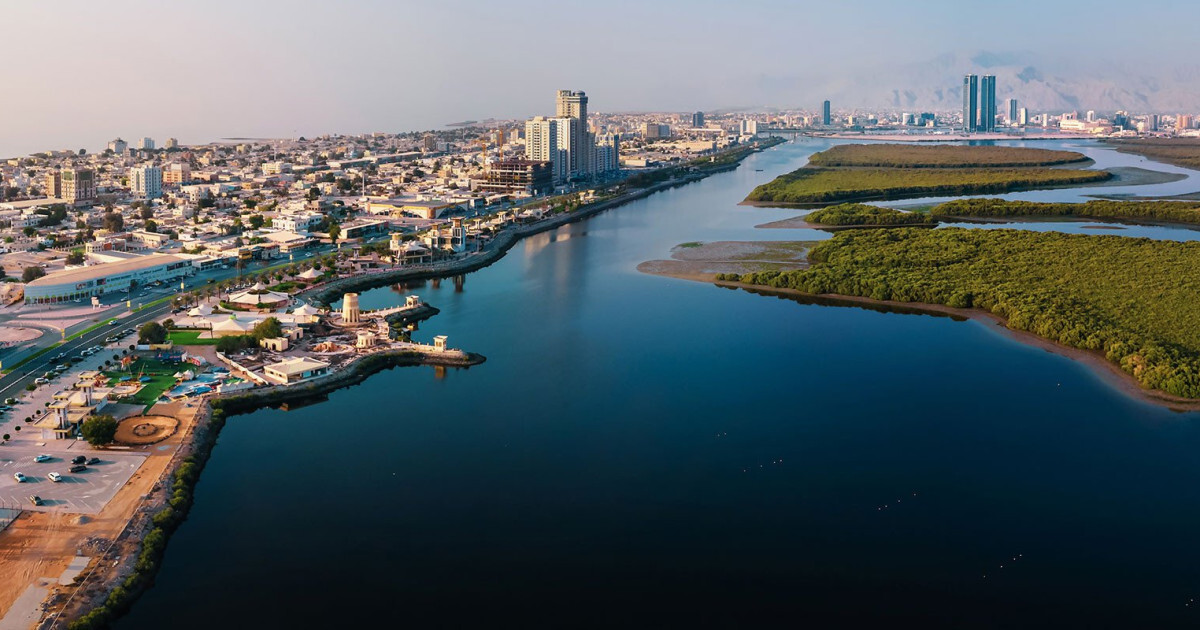
Not long ago, Ras Al Khaimah barely entered the conversation when people talked about real estate in the Gulf. For most, it was simply a weekend escape, quiet and unassuming. But recently, it’s been coming up more often—in emails, in viewings, in unexpected investor calls. And it’s not just curiosity anymore. People are starting to look at RAK differently.
Unlike Dubai or Abu Dhabi, RAK doesn’t lead with scale or spectacle. And that’s exactly why some buyers are drawn to it. There’s space here. A slower pace. A coastline that feels untouched, mountain views that belong in postcards, and a lifestyle that’s less about statement and more about comfort. You can feel the difference almost immediately. It’s not trying to be anything else—it’s just itself.
In recent years, the emirate has grown in ways that feel deliberate. Infrastructure has improved, communities like Al Hamra and Mina Al Arab are beginning to feel established, not experimental. There’s a quiet confidence in how the city is evolving—not rushed, not flashy, but steady. You notice it in the streets, the parks, the way locals talk about what’s coming next. It doesn’t feel speculative; it feels lived-in, and that matters.
More people are giving RAK a second look not because of any single development, but because of the overall atmosphere. Yes, the Wynn resort on Al Marjan Island has grabbed headlines, but most of the real momentum is coming from something softer—word of mouth, quality of life, and an emerging sense that the emirate is finally stepping into its own. It’s not just cheaper than Dubai. It’s offering a fundamentally different experience.
From an investment perspective, there’s still value here. Entry points remain accessible, particularly for beachfront property. Rental demand is growing, and with more full-time residents arriving—some relocating, others working remotely—there’s a base being built that doesn’t depend on seasonal tourism. The fundamentals are strengthening, even if the growth feels quieter than in other parts of the region.
What stands out the most, though, is how people respond to the feeling of the place. It’s hard to explain until you spend a few days there. Something about it makes you slow down, breathe a little deeper, and picture a life that isn’t always moving at full speed. It stays with people. They come back to it, even if they don’t act right away.
RAK still isn’t the obvious choice for everyone, and that’s probably a good thing. It’s not crowded. It’s not saturated. But it’s earning attention in its own way—through consistency, livability, and something more rare: balance. And in a region where most headlines are about speed, scale, and ambition, that kind of quiet rise says a lot.
Unlike Dubai or Abu Dhabi, RAK doesn’t lead with scale or spectacle. And that’s exactly why some buyers are drawn to it. There’s space here. A slower pace. A coastline that feels untouched, mountain views that belong in postcards, and a lifestyle that’s less about statement and more about comfort. You can feel the difference almost immediately. It’s not trying to be anything else—it’s just itself.
In recent years, the emirate has grown in ways that feel deliberate. Infrastructure has improved, communities like Al Hamra and Mina Al Arab are beginning to feel established, not experimental. There’s a quiet confidence in how the city is evolving—not rushed, not flashy, but steady. You notice it in the streets, the parks, the way locals talk about what’s coming next. It doesn’t feel speculative; it feels lived-in, and that matters.
More people are giving RAK a second look not because of any single development, but because of the overall atmosphere. Yes, the Wynn resort on Al Marjan Island has grabbed headlines, but most of the real momentum is coming from something softer—word of mouth, quality of life, and an emerging sense that the emirate is finally stepping into its own. It’s not just cheaper than Dubai. It’s offering a fundamentally different experience.
From an investment perspective, there’s still value here. Entry points remain accessible, particularly for beachfront property. Rental demand is growing, and with more full-time residents arriving—some relocating, others working remotely—there’s a base being built that doesn’t depend on seasonal tourism. The fundamentals are strengthening, even if the growth feels quieter than in other parts of the region.
What stands out the most, though, is how people respond to the feeling of the place. It’s hard to explain until you spend a few days there. Something about it makes you slow down, breathe a little deeper, and picture a life that isn’t always moving at full speed. It stays with people. They come back to it, even if they don’t act right away.
RAK still isn’t the obvious choice for everyone, and that’s probably a good thing. It’s not crowded. It’s not saturated. But it’s earning attention in its own way—through consistency, livability, and something more rare: balance. And in a region where most headlines are about speed, scale, and ambition, that kind of quiet rise says a lot.